
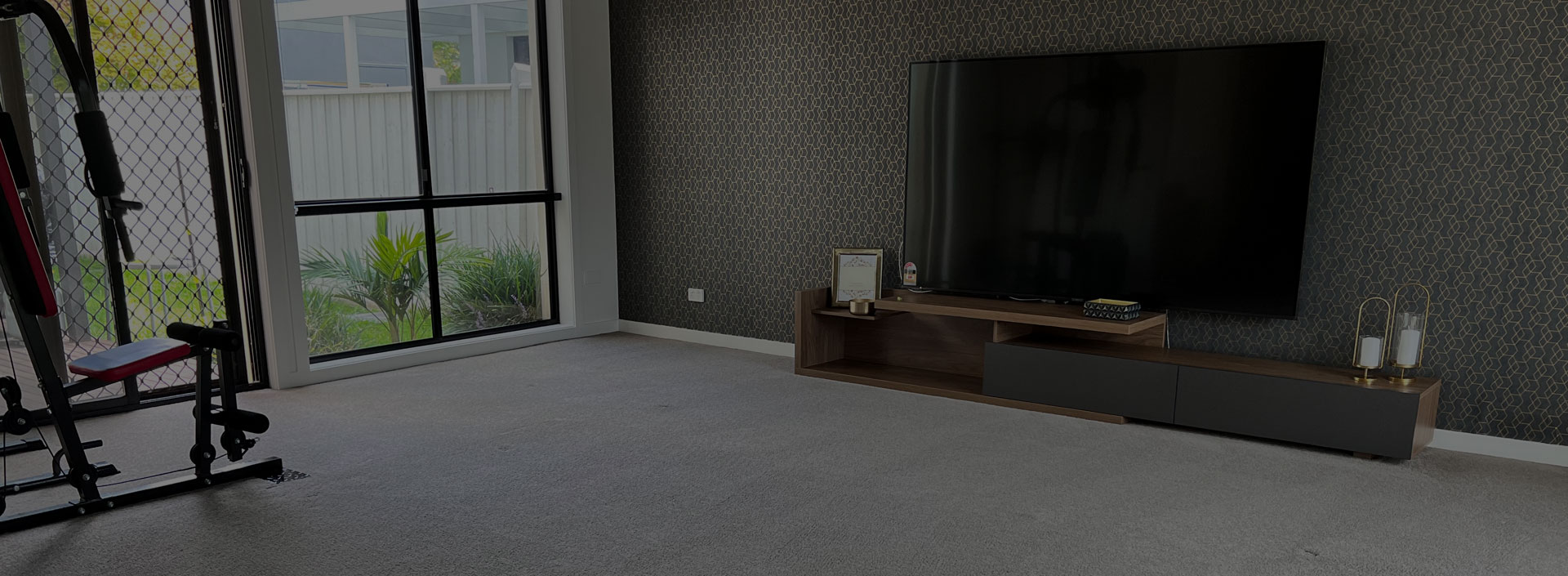

A worn office carpet tells on a business faster than most owners realise. Staff notice the smell near the meeting room. Clients clock the traffic lanes at reception. And once spills, dust and tracked-in grime settle deep into the fibres, regular vacuuming stops making much difference. That is where commercial carpet cleaning office services earn their keep – not just by improving appearance, but by lifting hygiene, extending carpet life and making the space feel properly looked after.
Why office carpets get dirty so quickly
Office carpet copes with far more than foot traffic. It picks up soil from shoes, food crumbs from desks, coffee spills, dust from air movement and moisture brought in during wet weather. In busy workplaces, that build-up happens gradually enough that many teams stop noticing it until the carpet starts looking flat, patchy or stained.
The problem is not only cosmetic. Embedded dirt acts like fine grit, wearing down carpet fibres each time someone walks across it. That means a carpet can look old well before its time, even if it was expensive to install. For offices trying to protect their fit-out and avoid early replacement costs, professional cleaning is part of basic maintenance rather than an occasional extra.
There is also the question of indoor hygiene. Carpets hold dust, allergens and odours more than hard flooring does. In an office, that can affect comfort, especially in enclosed rooms, shared work areas and spaces with limited ventilation. A proper clean helps reset the environment in a way surface tidying cannot.
What commercial carpet cleaning office work should actually include
Not all office carpet cleaning is the same. A quick once-over with the wrong machine may lift some surface dirt, but it will not do much for deeper contamination, stubborn staining or odour issues. A professional service should assess the carpet type, soil level, traffic patterns and drying requirements before choosing the method.
Steam cleaning, also called hot water extraction, is often the best option for offices that need a deep clean. It reaches into the pile, loosens embedded dirt and extracts it with high-powered equipment. This method is especially useful where carpets have visible traffic lanes, general dullness or built-up grime from months of use.
Dry carpet cleaning can suit some commercial settings better, particularly where fast turnaround matters and downtime needs to be kept to a minimum. It depends on the carpet material, the level of soiling and how quickly the area must be back in use. That is why a one-size-fits-all quote can be a red flag.
Spot treatment matters too. Offices deal with coffee, tea, ink, food and occasional mystery marks no one wants to claim. Some stains respond well to treatment, while others may leave permanent discolouration if they have set for too long or damaged the fibres. A trustworthy cleaner should be upfront about that instead of promising impossible results.
How often should an office carpet be professionally cleaned?
This depends on the size of the workplace, the number of staff, the type of business and whether customers walk through the space. A quiet private office with strict no-food rules will need a different schedule from a medical practice, retail office or busy shared workspace.
As a general guide, many offices benefit from professional carpet cleaning every 6 to 12 months, with high-traffic zones cleaned more often. Reception areas, corridors, meeting rooms and staff lunch spaces usually wear out first. If those areas are cleaned on a regular maintenance plan, the whole office tends to stay in better condition between deep cleans.
There is a trade-off here. Cleaning too rarely allows dirt to build up and can shorten the life of the carpet. Cleaning more often costs more upfront, but may reduce replacement costs later. For many small businesses, the smartest option is a practical schedule based on actual use rather than waiting until the carpet looks beyond help.
Signs your office carpet needs attention now
Some signs are obvious. Others creep in slowly. If the carpet still looks dirty after vacuuming, has a stale smell, shows dark walking tracks, or feels flattened and tired, it is probably overdue. The same applies if staff have started noticing dust, allergy irritation or that slightly musty smell that tends to linger in closed rooms.
Stains are another trigger, but timing matters. Fresh spills are easier to treat than stains that have been rubbed in or left to dry. Office staff often mean well and reach for supermarket sprays, but the wrong product can set the stain, leave residue or bleach the carpet. Professional treatment early on usually gives a better result.
An upcoming inspection, client visit or lease handover is another good reason not to delay. Clean carpets help the entire office present better, even if the rest of the fit-out is fairly simple.
Choosing a commercial carpet cleaning office provider
When comparing cleaners, price matters, but it should not be the only measure. Commercial work needs reliability, clear communication and equipment that can handle real soil extraction rather than light cosmetic cleaning. If a provider cannot explain their process, drying times or stain-treatment approach, it is fair to ask more questions.
Look for transparent quoting and realistic advice. A reputable cleaner should tell you what results are likely, how long the job will take and whether furniture needs to be moved. They should also use products that are safe for staff and visitors, especially in offices where people return to the space soon after cleaning.
Eco-friendly products are worth paying attention to, not because they are trendy, but because offices are shared environments. Harsh chemical smells can be unpleasant and disruptive, particularly in smaller rooms. Safe, biodegradable products are often a better fit for workplaces that want strong results without leaving the space smelling over-processed.
For businesses in Melbourne’s west, working with a local operator can make scheduling easier and support more consistent service. Green Lion Carpet Clean, for example, focuses on practical deep-cleaning solutions with transparent quoting and a satisfaction guarantee, which is the sort of accountability office managers usually value.
Preparing for office carpet cleaning
A good cleaner will guide you through preparation, but a little planning helps the job run smoothly. Loose items should be cleared from the floor, cables managed where possible and any problem areas pointed out before the technician starts. If there are specific stains, high-traffic zones or odour concerns, mention them early so the treatment can be tailored.
Timing also matters. Many offices prefer after-hours or quieter periods to reduce disruption. That is especially useful for shared spaces, reception areas and boardrooms. Drying times vary depending on the method used, airflow and the condition of the carpet, so it is worth asking what to expect rather than assuming every space will be ready at the same time.
Once cleaned, the carpet should be allowed to dry properly before heavy use resumes. Walking on damp carpet too soon can bring fresh soil back in and undo part of the result.
The long-term value of regular carpet maintenance
Office carpets are a working surface. They take daily wear, absorb spills, trap dust and influence how the whole space feels. Replacing them is expensive and disruptive, so keeping them in decent condition for longer makes financial sense.
Regular professional cleaning helps preserve the pile, improve presentation and create a fresher place for staff and visitors. It also supports a better first impression, which matters whether you run a small consultancy, a busy local office or a customer-facing business.
A clean carpet will not fix every issue in a workplace, but it does make the space feel more cared for. And in most offices, that difference is noticed straight away – by the people who work there every day, and by the people you want to impress when they walk through the door.
If your carpet is starting to hold odours, show traffic marks or look older than it should, it is probably not a sign to replace it just yet. Often, it is simply a sign that the office needs a proper clean at the right time, by the right team.


