
A carpet can look clean and still hold onto more than you’d like to think about. Spills, pet accidents, shoes at the door, food crumbs and everyday traffic all leave behind organic matter that can support germs. So, can steam cleaning remove bacteria? In many cases, yes – but the full answer depends on the temperature reached, how the cleaning is carried out, and what surface you’re treating.
For households with kids on the floor, pets on the lounge or tenants trying to leave a property in good condition, that difference matters. Steam cleaning is often talked about as a hygienic cleaning method, and it can be. But there’s a big gap between a quick once-over with a basic machine and a professional deep clean that uses proper heat, extraction and drying control.
How steam cleaning removes bacteria
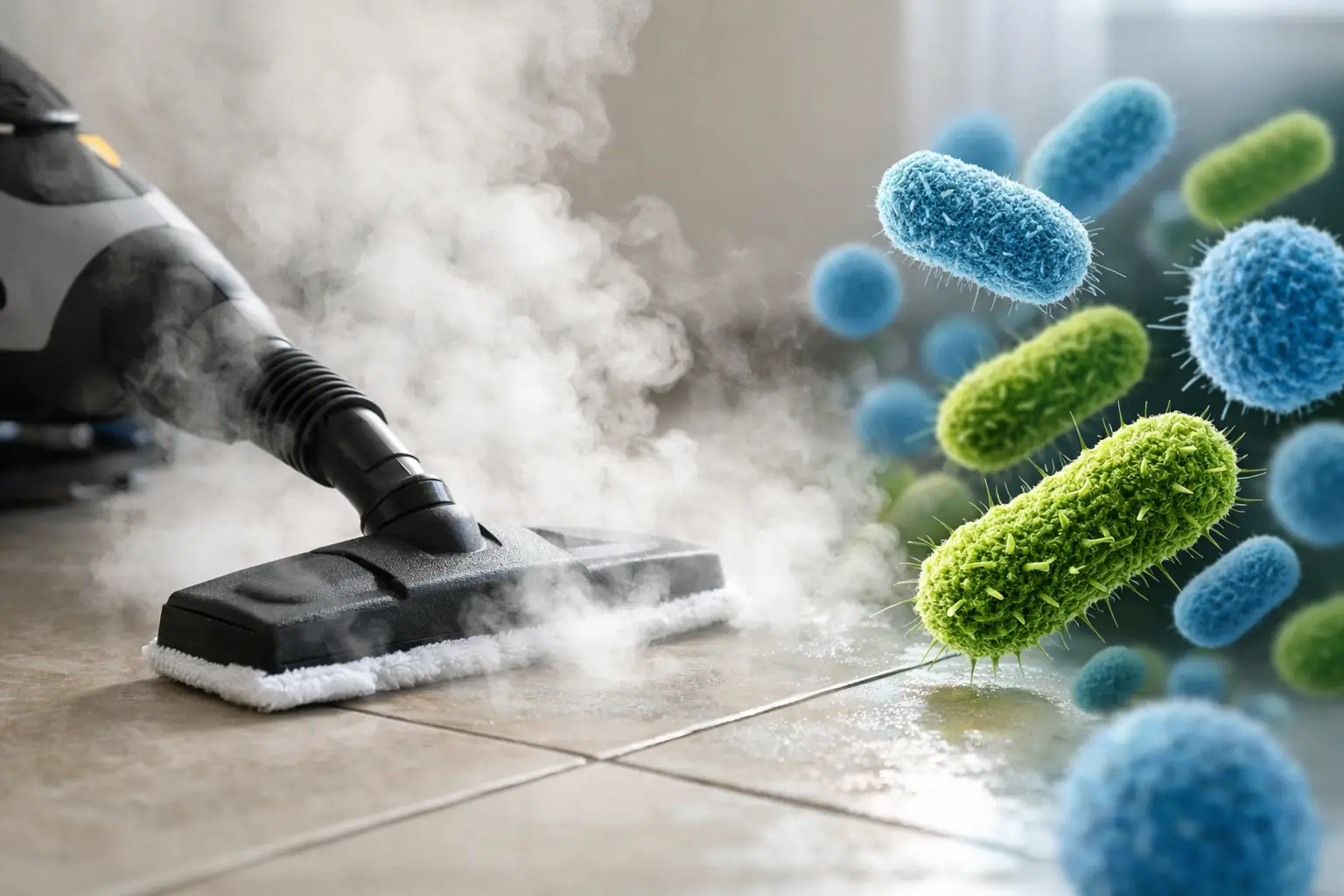
Steam cleaning works through heat, moisture and agitation. When high-temperature steam or hot water vapour is applied to a surface, it helps loosen dirt, break down grime and create conditions that many bacteria cannot tolerate. That heat can reduce bacterial load, especially when it is combined with enough contact time and effective extraction.
On carpets, upholstery and mattresses, the process usually does more than just heat the surface. A professional steam clean often includes pre-treatment, hot water injection, agitation of soiled fibres and strong extraction to pull out loosened soil, moisture and contaminants. That matters because bacteria are rarely sitting alone on a surface. They’re usually bound up with body oils, food residue, dust, pet dander or stains.
In other words, removing the source material is part of the hygiene result. Heat helps, but so does physically extracting what bacteria feed on and cling to.
Can steam cleaning remove bacteria on every surface?
This is where the simple yes-or-no answer starts to fall apart. Steam cleaning can reduce bacteria on many surfaces, but not every material responds the same way.
Carpets and rugs
Carpets can trap dirt deep in the pile, which makes them one of the more suitable surfaces for professional steam extraction. When done properly, steam cleaning can flush out embedded soil and reduce bacteria, allergens and odours. It is especially useful in homes with pets, children or heavy foot traffic.
The trade-off is drying time. If too much moisture is left behind or airflow is poor, a badly cleaned carpet can stay damp longer than it should. That creates the kind of environment where microbial growth may return. Good extraction and proper drying are just as important as the heat itself.
Upholstery
Steam cleaning can also be effective on many upholstered lounges and chairs, but fabric type matters. Some delicate materials need lower moisture methods or specialised care. The goal is still the same – reduce contaminants without overwetting the fabric or causing shrinkage, colour run or texture changes.
For frequently used furniture, especially in family homes, steam cleaning can improve both hygiene and smell. It’s often a practical option when there’s been food spills, pet contact or general buildup over time.
Mattresses
Mattresses are one of the strongest use cases for steam cleaning because they collect sweat, skin cells, dust mites and body oils over long periods. Bacteria can build up, especially where there’s been moisture or illness in the household. A professional clean can help refresh the mattress and reduce contamination levels, although severe biological contamination may require a more targeted treatment.
Tile and grout
Hard surfaces like tile and grout respond well to steam because heat can penetrate grime in porous grout lines. Steam can help lift built-up dirt and reduce bacteria in bathrooms, laundries and kitchens. In these spaces, cleaning is not just about appearance. It’s about removing the residue that sits in textured surfaces and damp areas.
Why heat alone isn’t the whole story
People often assume that if a machine produces steam, the bacteria problem is sorted. Not quite. The effectiveness of steam cleaning depends on a few practical factors.
Temperature is one of them, but surface temperature matters more than marketing claims on the machine. Steam might leave the nozzle very hot, but if it cools too quickly or never reaches the fibres properly, the antibacterial effect drops.
Dwell time also matters. If heat touches a surface for only a second, the reduction may be limited. Bacteria need enough exposure to high temperatures to be affected.
Then there’s extraction. On soft furnishings, if loosened dirt and moisture are not removed well, you may improve appearance without getting the hygiene result you expected. That’s why professional equipment often outperforms smaller hire units and domestic machines. Stronger suction, better temperature consistency and a more thorough process make a noticeable difference.
What steam cleaning can and can’t do
Steam cleaning is a very useful hygiene method, but it helps to be realistic about what it does best.
It can reduce bacteria, remove soil, freshen fibres, improve odours and lift grime from surfaces that regular vacuuming or wiping won’t fully address. It can also help lower allergen load by removing the dust, debris and organic matter that build up over time.
What it can’t do is make every surface sterile. That’s a medical standard, not a household cleaning outcome. Steam cleaning is designed to improve cleanliness and hygiene in real living environments, not turn your lounge room into an operating theatre.
It’s also not a cure-all for every problem. Mould issues caused by leaks, contamination from sewage, or long-term moisture damage may need remediation beyond standard cleaning. In those cases, the cause of the problem has to be dealt with first.
Can steam cleaning remove bacteria better than regular cleaning?
Usually, yes. Regular vacuuming and surface wiping are important for day-to-day upkeep, but they mostly deal with visible dirt and loose dust. They don’t reach deeply into carpet fibres, upholstery padding or mattress surfaces the way steam cleaning can.
That said, regular cleaning still plays an important role. If a carpet is heavily soiled because it hasn’t been maintained for years, even a thorough steam clean is doing catch-up work. Homes that vacuum often, deal with spills quickly and schedule periodic deep cleaning tend to get better and longer-lasting hygiene results.
For busy households, that combination works well. Stay on top of the everyday mess, then use steam cleaning to reset the surfaces that absorb the most use.
When professional steam cleaning is worth it
There are times when a professional clean makes more sense than trying to manage it yourself. Pet accidents are a good example. Surface cleaning might remove the obvious mark, but bacteria and odours often sit deeper in the fibres or underlay. The same goes for mattresses after illness, lounges that see daily use, or rental properties before inspection.
Professional cleaners also know when steam cleaning is the right method and when another approach is safer. Some carpets, rugs and upholstered fabrics need a tailored treatment to avoid damage while still improving hygiene.
For homeowners and tenants across Melbourne’s western suburbs, that practical judgement can save time, protect furnishings and deliver a cleaner result. Green Lion Carpet Clean focuses on this kind of deep-cleaning work because the equipment, products and technique all matter when hygiene is part of the goal.
How to get the best hygiene result from steam cleaning
A good result starts before the machine is even switched on. Heavy soil should be identified properly, stains should be pre-treated where needed, and the right cleaning method should match the material.
After cleaning, drying matters more than many people realise. Open windows if weather allows, use fans or air conditioning, and avoid walking on damp carpet more than necessary. Faster drying helps protect the result and reduces the chance of musty smells or lingering dampness.
It’s also worth timing your clean around real household needs. After a pet issue, before a baby starts crawling, during spring allergy season or at the end of a lease are all practical moments to focus on hygiene as well as appearance.
So, can steam cleaning remove bacteria?
Yes – steam cleaning can remove bacteria and reduce the conditions that allow it to build up, especially on carpets, upholstery, mattresses and grout. But the result depends on proper heat, enough contact time, strong extraction and suitable treatment for the surface.
If your main goal is a healthier, fresher home, think of steam cleaning as part of a bigger picture. It works best when it removes both the bacteria and the grime that supports it. A clean surface should not only look better when the job is done. It should feel better to live with the next day as well.


