

Scuffed entry tiles, dull vinyl near the counter, carpet that never quite looks clean – commercial floors usually show wear long before walls or furniture do. That is why a solid guide to commercial floor maintenance matters for any business that wants its premises to stay presentable, hygienic and safer underfoot.
Floor care is not just about appearance. In busy workplaces, flooring takes constant punishment from foot traffic, spills, moisture, furniture movement and tracked-in grit. Left alone, that daily wear shortens the life of the surface, increases slip risks and can make an otherwise well-run business look tired. A better approach is simple – match the cleaning method and maintenance schedule to the material, then stay consistent.
Why commercial floor maintenance needs a plan
Many floor problems begin with small issues that are easy to miss. Dust and fine grit act like sandpaper. Moisture sits in grout lines or under mats. Cleaning chemicals are used too strongly or too often. By the time a floor looks badly worn, the damage has often been building for months.
A proper maintenance plan helps you deal with dirt before it becomes staining, abrasion or permanent discolouration. It also makes budgeting easier. Routine cleaning costs far less than early replacement, strip-outs or major restoration work.
There is also a safety side to think about. Slippery residues, damp hard floors and frayed carpet edges can all create hazards for staff and customers. In retail, hospitality, offices, childcare settings and medical spaces, clean floors support both presentation and day-to-day risk control.
A guide to commercial floor maintenance by surface type
Different floors need different care. One of the most common mistakes in commercial cleaning is treating every surface the same. That usually leads to poor results and unnecessary wear.
Carpet tiles and broadloom carpet
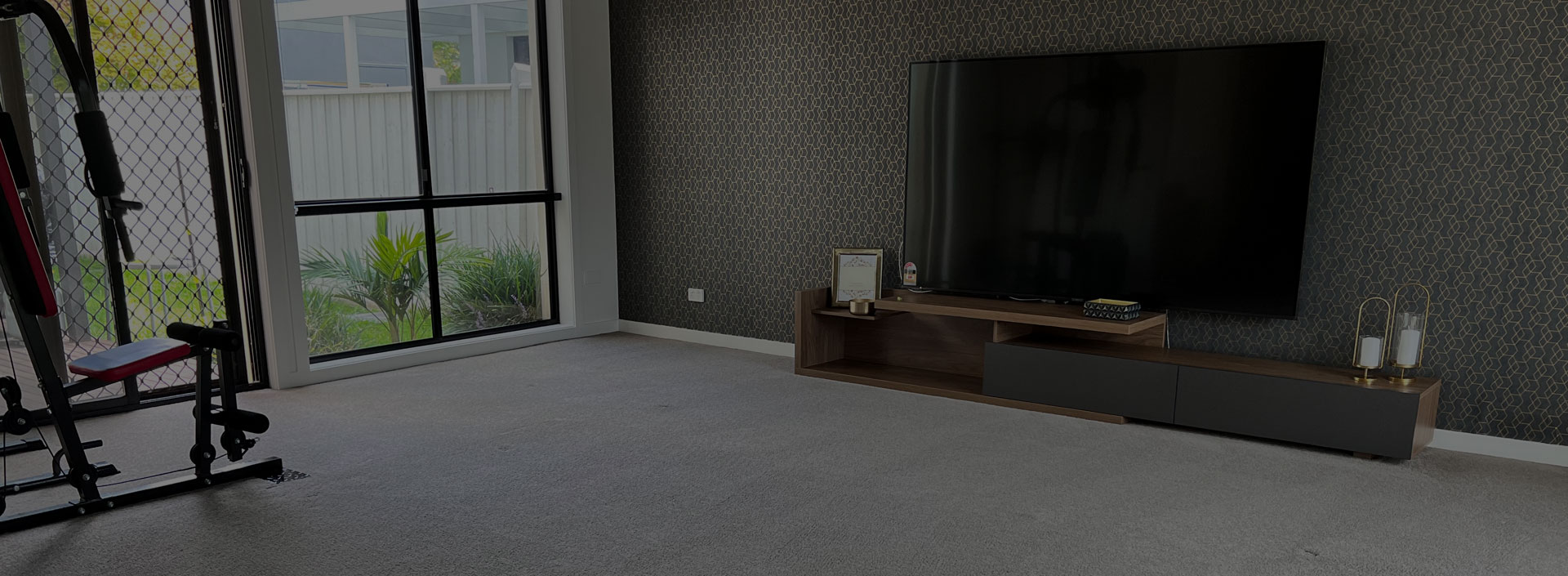
Commercial carpet holds dust, allergens, odours and stains deep in the pile. Daily vacuuming is essential in high-traffic areas, especially entries, hallways and waiting zones. Spot cleaning should happen as soon as spills occur, because older stains are harder to remove and often wick back after a basic clean.
Periodic deep cleaning is what restores the carpet properly. Steam cleaning works well for many commercial carpets because it flushes out embedded soil and helps improve hygiene. Dry methods may suit spaces that need a quicker turnaround time. The right choice depends on the carpet type, how quickly the area must be back in use and whether heavy soiling or odours are involved.
Vinyl and other resilient floors
Vinyl is popular because it is durable and cost-effective, but it still needs the right care. Grit and hard-soled traffic can scratch the finish, making the surface look dull. Regular sweeping or vacuuming removes abrasive debris before it gets ground in.
Damp mopping with a pH-appropriate product is usually enough for routine care. Heavy chemical use is rarely the answer. In fact, strong products can leave residue, attract more dirt and reduce the floor’s clean appearance. In some settings, periodic machine scrubbing and re-coating may be needed to keep the finish intact.
Tile and grout
Tile can look hard-wearing from a distance while the grout lines tell a different story. Grout is porous, so it tends to trap soil, spills and bacteria. Standard mopping often spreads dirty water over the surface rather than lifting contaminants out.
That is where deeper tile and grout cleaning can make a visible difference. Pressure-assisted cleaning and extraction remove build-up from the grout lines and textured tile surfaces. Sealing may also help in some environments, though it depends on the tile type, grout condition and how the area is used.
Hardwood and timber-look floors
Timber and engineered floors need a more careful approach. Too much moisture can cause swelling, cupping or finish damage. Harsh chemicals can strip coatings and leave the floor looking patchy.
Dry soil removal is the priority, followed by a lightly damp clean with products suited to sealed timber surfaces. If the finish starts to lose its appearance, the answer is not always a full refinish. Sometimes a professional maintenance clean is enough to restore the look without over-treating the floor.
What a practical cleaning schedule looks like
The best commercial floor maintenance plan is based on traffic, not guesswork. A small office with light foot traffic will not need the same schedule as a medical clinic or café.
Daily tasks usually include vacuuming carpeted areas, sweeping or vacuuming hard floors, spot cleaning spills and checking entry points. Weekly cleaning may involve more thorough mopping, edge work and attention to corners, skirting lines and under furniture. Monthly or quarterly work often includes machine scrubbing, deeper carpet cleaning or targeted restoration in traffic lanes.
High-traffic zones deserve their own schedule. Entryways, lunchrooms, reception areas, toilets and shared corridors often need more frequent attention than boardrooms or private offices. If one area wears out faster than the rest, it makes sense to adjust the plan there first rather than over-clean the whole site.
Common mistakes that shorten floor life
Over-wetting is one of the biggest issues across multiple floor types. Too much water can damage adhesives, seep into grout, affect timber finishes and slow drying times. It can also create slip hazards if the floor is reopened too quickly.
The second major mistake is using the wrong product. A stronger chemical does not always mean a better clean. Some products dull finishes, leave sticky residue or react badly with previous treatments. If a floor seems to get dirtier soon after cleaning, residue is often part of the problem.
The third is neglecting entrance control. Much of the dirt in commercial buildings comes from outside. Quality entry mats reduce the amount of grit and moisture reaching the main floor surface. They need regular cleaning too, otherwise they stop doing their job.
Furniture and equipment can also cause gradual damage. Chair legs, trolleys and moved stock can leave scratches or pressure marks if they are not fitted with proper protectors. These are small fixes, but they help.
When routine cleaning is not enough
There comes a point where basic maintenance stops delivering results. If floors still look dull after cleaning, smell musty, feel sticky underfoot or show obvious traffic lanes, deeper treatment is usually needed.
Professional cleaning is especially worthwhile when the issue sits below the surface. Embedded carpet soil, stained grout, odour build-up and finish wear cannot always be solved with in-house tools. Commercial-grade equipment lifts more contamination, dries more effectively and can restore appearance without guesswork.
This is also where expert advice matters. Not every floor needs the same level of intervention. Some benefit from a deep clean and protective treatment. Others may need staged restoration or a revised maintenance routine to stop the problem returning.
Choosing a commercial floor maintenance provider
If you are bringing in a professional cleaner, ask practical questions. What methods do they use for your floor type? Are their products safe for staff, customers and enclosed indoor spaces? Can they work around your trading hours? Do they give clear quotes and stand behind the result?
For many businesses, eco-friendly products are not just a preference. They are part of maintaining a healthier indoor environment, especially in spaces used by families, children, clients or staff all day. Clear communication matters too. You should know what is being cleaned, how long it will take to dry and what level of improvement to expect.
A local operator who understands the needs of small businesses can often offer more practical support than a one-size-fits-all contract cleaner. For businesses in Melbourne’s west, Green Lion Carpet Clean provides commercial cleaning support across carpet, tile, grout and hard floor surfaces, with a focus on safe products, honest quoting and visible results.
The best results come from consistency
Commercial floor care works best when it is preventative rather than reactive. That means dealing with dirt early, using the right method for the surface and getting professional help before wear turns into damage.
If your floors are part of the first impression people get when they walk through the door, they are worth looking after properly. A steady maintenance routine keeps the space cleaner, safer and easier to manage – and it usually saves money over the life of the floor.


Peptex Shop is your reliable partner for premium peptides engineered for weight management, anti-aging, and physical restoration. Our core products—tirzepatide, retatrutide, and NAD+—are carefully sourced to ensure quality and effectiveness. Whether you want to buy BPC-157 or TB-500 for recovery support, Peptex offers a wide selection backed by fast EU delivery. Explore Peptex GLP-1 peptides and elevate your wellness journey today.
ProDentim is a modern oral-health supplement formulated with specialized probiotics and naturally sourced ingredients to help maintain firm teeth
AquaSculpt is a high-quality metabolic support supplement created to help the body utilize fat more efficiently while maintaining steady
Backbiome is an advanced daily wellness supplement formulated to help support spinal comfort, reduce feelings of built-up tension, and promote freer, smoother movement throughout everyday life.
PurDentix is a revolutionary oral health supplement designed to support strong teeth and healthy gums. It tackles a wide range of dental concerns, including gum inflammation and tooth decay
Boostaro is a modern mens wellness formula created to support daily vitality, stamina, and confidence through a practical, natural routine.
GL Pro is a natural dietary supplement formulated to help maintain steady, healthy blood sugar levels while easing persistent sugar cravings.
NerveCalm is a high-quality nutritional supplement crafted to promote nerve wellness, ease chronic discomfort, and boost everyday vitality.
ProDentim is a distinctive oral-care formula that pairs targeted probiotics with plant-based ingredients to encourage strong teeth, comfortable gums, and reliably fresh breath.
Backbiome is an advanced daily wellness supplement formulated to help support spinal comfort, reduce feelings of built-up tension, and promote freer, smoother movement throughout everyday life.