
TL;DR:
- A mop cleans the tile face. Grout is porous and soaks up water, grease and dirt over the years, so the lines stay grey after the tiles look clean.
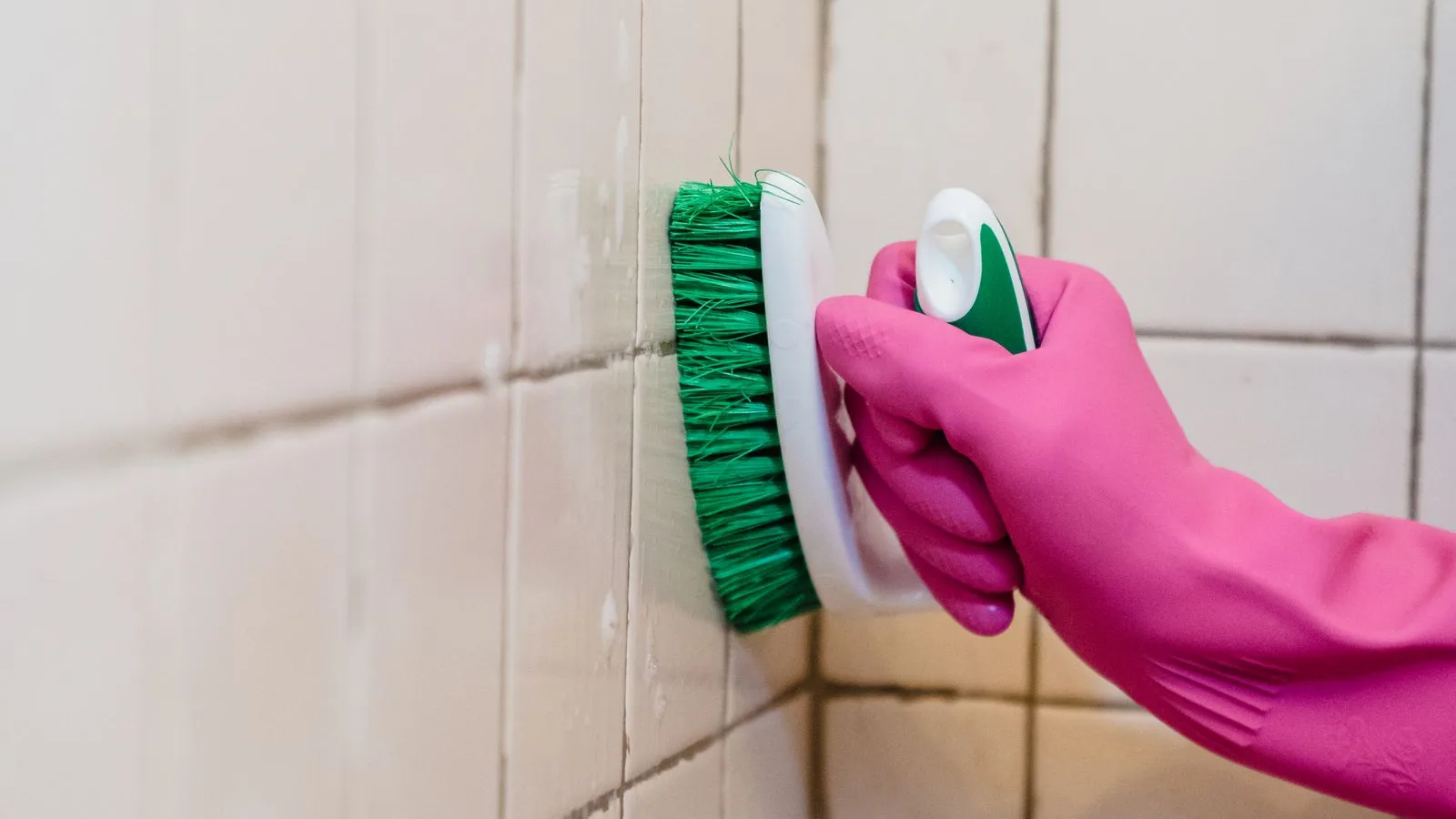
- For light surface staining, a baking soda or oxygen bleach paste and a stiff brush can be enough.
- Deep grime, and mould that keeps coming back, need a pre-treatment and high-pressure hot water, which reaches into the grout in a way a brush does not.
- Cracked or missing grout has to be repaired, or water gets back into the gaps.
- Sealing is optional. I'll quote it if you want it, but I don't push it.
You can mop your tiles until they gleam, but if the grout lines between them are grey, stained or patchy, the whole floor still looks dirty. Grout restoration brings those lines back to life. And it can make a tiled floor look years younger without replacing a single tile. Here's how the process works, step by step.
What is grout restoration?
Grout restoration is the process of deep-cleaning, repairing and protecting grout so it looks and works close to the way it did when it was laid. It's different from a quick mop or surface scrub because it addresses the grime inside the porous grout, not just on top of it.
Because grout soaks up water, grease and dirt over the years, it slowly darkens and discolours. Restoration reverses that build-up and then protects the grout so it stays cleaner for longer.
The grout restoration process
Step 1: Inspect and assess
Every floor is different. We start by looking at the tile type, the condition of the grout, and any problem areas: cracks, missing grout, mould or heavy staining. This tells us the right approach and whether any repairs are needed before cleaning.
Step 2: Pre-treat the grout lines
Next, a cleaning solution is applied to the grout to break down the built-up grime, soap scum and discolouration. Giving it time to work loosens years of dirt so it can actually be lifted out rather than just smeared around.
Step 3: Deep clean with high pressure
This is where the magic happens. Using professional tile and grout cleaning equipment, high-pressure hot water flushes the grime and discolouration out of the porous grout lines and off the tile surface. It reaches deep into the grout in a way no mop or hand brush ever could.
Step 4: Detail the stubborn areas
Some spots, corners, edges, and particularly stained lines, need extra attention. We work these by hand so the whole floor finishes evenly, not just the open areas.
Step 5: Repair where needed
If grout is cracked, crumbling or missing in places, it needs to be repaired or re-grouted. Skipping this just lets water back into the gaps, so it's an important part of a proper restoration.
Step 6 (optional): Sealing, and why I don't push it
This is where I differ from a lot of cleaners. A sealer fills the porous surface so the grout resists water and staining for a while, and plenty of people will tell you it is the obvious finishing step. I will quote it as a separate job if you want it, but it is not something I push. Sealer sits on top of the grout rather than becoming part of it, so when it wears it has to be stripped before it can be redone properly, and that is a cost you meet later. A grout floor that has been cleaned properly, swept regularly and wiped up after spills does well without it.
Can I restore grout myself?
You can do some of it. Scrubbing with baking soda or an oxygen bleach paste will lift lighter surface staining, and grout pens can touch up small areas cosmetically. For a lightly soiled floor, that might be enough.
But for deeply ingrained grime, mould that keeps returning, or large tiled areas, DIY becomes a losing battle. Home methods can't reach the depth that high-pressure extraction can. You'll spend hours on your knees for a result that fades within weeks.
How long does it last?
A professionally restored grout floor can look great for years with basic maintenance: regular sweeping, gentle mopping, and wiping up spills before they soak in. That maintenance matters more than any coating.
When to book a professional
If your grout is widely discoloured, cracked, mouldy, or you simply want it done properly and permanently, professional restoration is well worth it. It's dramatically cheaper than re-tiling and the transformation genuinely surprises people.
We're a family-owned team in Point Cook, and grout restoration is one of our most satisfying jobs, there's nothing like seeing a tired floor come back to life. While we're there, plenty of customers also have us freshen up nearby carpets in one visit.
Ready to bring your tiles back? Call (03) 4328 5637 or get a free quote today.
Frequently Asked Questions
What is grout restoration?
Grout restoration is deep-cleaning and repairing grout so it looks and works close to the way it did when it was laid. It differs from a mop or surface scrub because it addresses the grime inside the porous grout rather than just on top of it.
Can I restore grout myself?
You can do some of it. Baking soda or an oxygen bleach paste lifts lighter surface staining, and grout pens touch up small areas cosmetically. For deeply ingrained grime, mould that keeps returning, or large tiled areas, home methods cannot reach the depth that high-pressure extraction can.
Should I have my grout sealed?
Grout sealing is not something I push. A sealer resists water and staining for a while, but it sits on top of the grout rather than becoming part of it, so when it wears it has to be stripped before it can be redone properly. I will quote it as a separate job if you want it.
How long does restored grout last?
A professionally restored grout floor can look great for years with basic maintenance: regular sweeping, gentle mopping, and wiping up spills before they soak in.