
That black, grimy line creeping through your shower or bathroom grout is one of the most common, and most frustrating, cleaning problems in any home. You scrub it, it fades, and a few weeks later it's back. Here's why mould loves grout, how to clean it properly, and how to keep it from returning.
Why does mould grow in grout?
Grout is porous, which means it's full of tiny holes that soak up water. Add the warm, damp, poorly ventilated conditions of a bathroom, and you've created the perfect home for mould and mildew. Once the mould works its way into those pores, a quick surface wipe won't reach it, which is exactly why it keeps coming back.
Showers, around baths, and kitchen splashbacks are the usual hotspots because they're wet most often and dry out slowly.
How to clean mouldy grout yourself
For light, surface mould you can often make good progress at home. A word on safety first: always ventilate the room, wear gloves, and never mix cleaning products. Combining bleach with other cleaners can create dangerous fumes.
Method 1: Baking soda paste
- Mix baking soda with a little water to make a paste.
- Apply it along the mouldy grout lines.
- Leave for 10–15 minutes, then scrub with an old toothbrush or a stiff grout brush.
- Rinse with warm water and dry the area well.
Method 2: White vinegar
Spray undiluted white vinegar onto the grout, leave it for 30 minutes to an hour, then scrub and rinse. Vinegar is mildly antifungal and works well on lighter mould. (Avoid vinegar on natural stone tiles, as the acid can damage the surface.)
Method 3: Oxygen bleach
For more stubborn mould, an oxygen bleach (rather than harsh chlorine bleach) mixed to a paste can lift discolouration from grout lines. Apply, leave, scrub and rinse thoroughly.
All of these clean the surface, but if the mould has grown deep into porous grout it will keep returning no matter how hard you scrub.
Why the mould keeps coming back
If you feel like you're cleaning the same grout over and over, this is why. Home methods lift what's on the surface, but mould rooted deep in the pores survives and regrows. To beat it properly, you need to clean deep into the grout and address the moisture and porosity that let it grow in the first place.
That's where professional tile and grout cleaning comes in. We use high-pressure cleaning that flushes grime and mould out of the grout lines rather than off the top. The grout comes back far closer to its original colour.
What about sealing the grout?
It comes up a lot, so here is my honest position: sealing is not something I push. A sealer fills those porous gaps so water soaks in less readily, but it sits on top of the grout and has to be stripped before it can be redone properly, which adds cost later. I will quote it as a separate job if you ask for it. What actually keeps mould down in a bathroom is ventilation and drying the wet areas, and that costs nothing.
How to prevent mould in grout
Whether you clean it yourself or have it done professionally, these habits slow mould right down:
- Ventilate. Run the exhaust fan during and after showers, and open a window if you can.
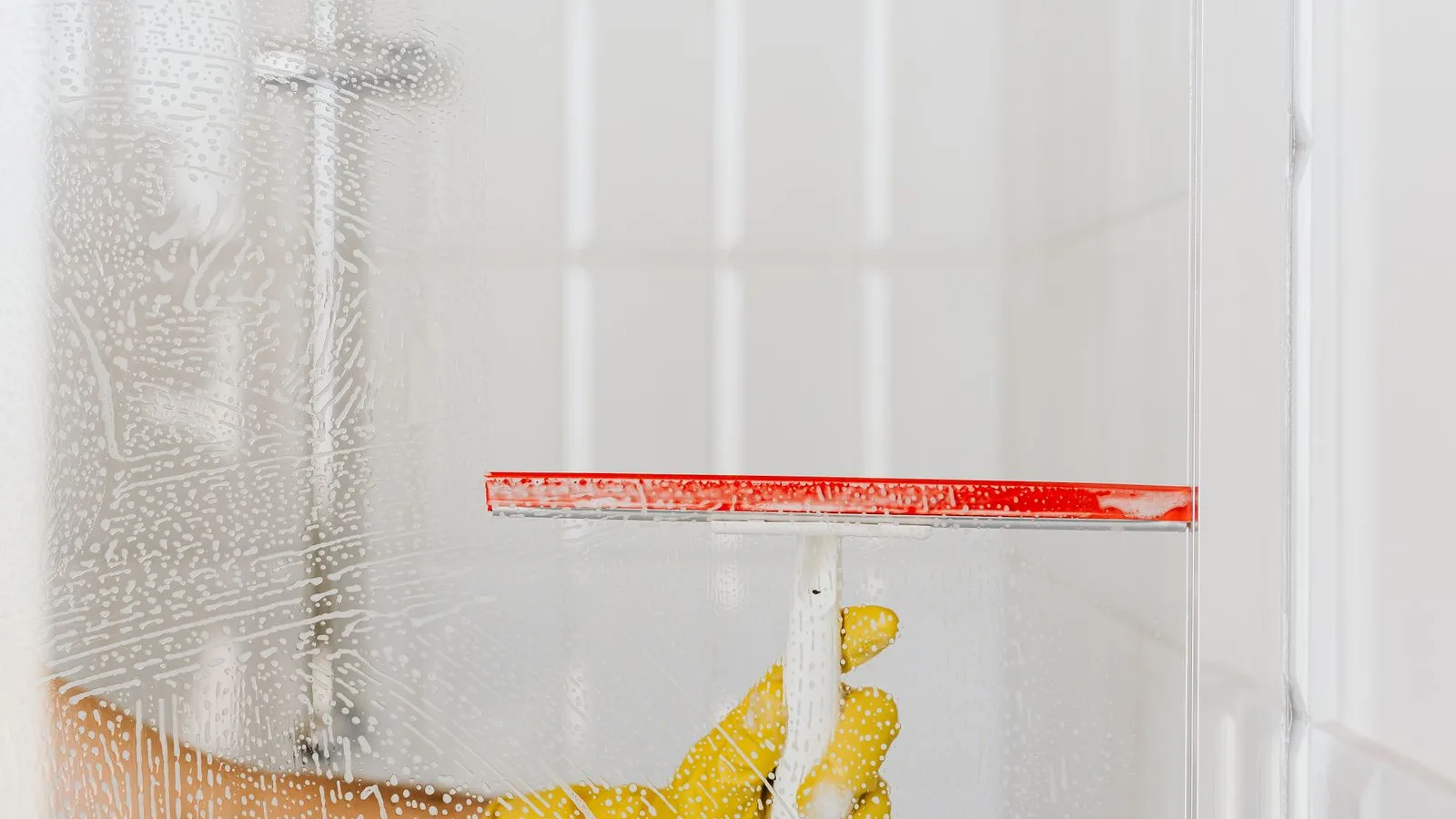
- Wipe down wet areas. A quick squeegee or towel wipe after showering removes the moisture mould needs.
- Fix drips and leaks promptly.
- Dry the grout lines after the last shower of the day. Grout that dries out between uses does not grow mould.
When to call in a professional
If the mould is widespread, keeps returning, or the grout is badly discoloured, home scrubbing is a losing battle. A professional deep clean resets the problem and saves you hours on your knees with a toothbrush.
We're a family-owned team based in Point Cook, and our tile and grout results are one of the things customers rave about most, one described them as "phenomenal". If your grout has seen better days, call (03) 4328 5637 or get a free quote, and let's bring your tiles back to life.
Frequently Asked Questions
How do you clean mould from grout at home?
For light surface mould, a baking soda paste applied along the grout lines, left 10 to 15 minutes and scrubbed with a stiff grout brush works well. Ventilate the room, wear gloves, and never mix cleaning products, because combining bleach with other cleaners can create dangerous fumes.
Why does mould keep coming back in grout?
Home methods lift what is on the surface, but mould rooted deep in the pores survives and regrows. Beating it means cleaning deep into the grout and addressing the moisture that let it grow in the first place.
Does sealing stop mould in grout?
Sealing makes water soak in less readily, but it is not something I push: the sealer sits on top of the grout and has to be stripped before it can be redone properly. Ventilation and drying the wet areas do more for mould, and they cost nothing.
When should I call a professional for mouldy grout?
When the mould keeps returning after cleaning, or the affected area is large. High-pressure cleaning flushes grime and mould out of the grout lines rather than off the top, restoring the grout far closer to its original colour.