
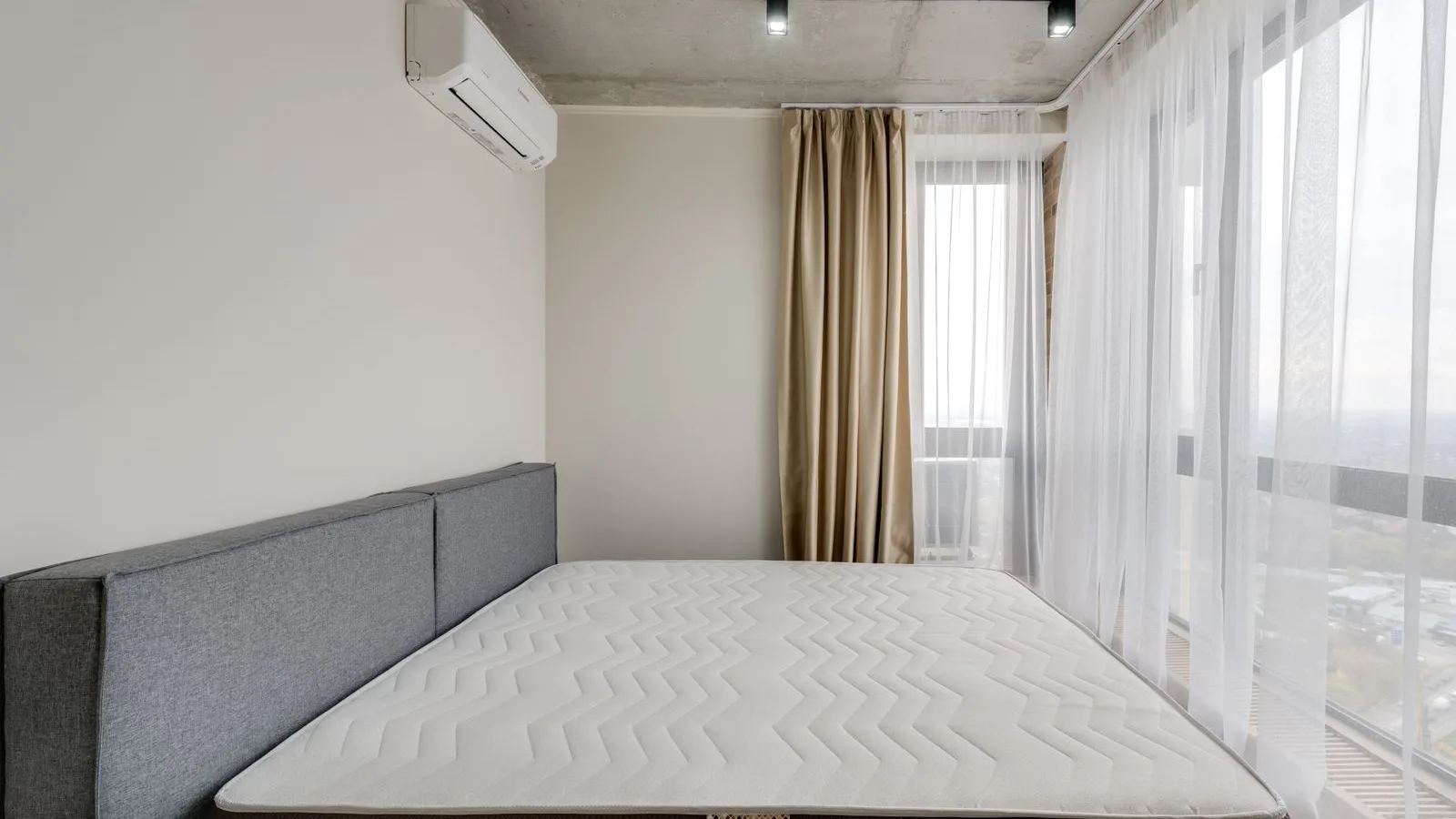
TL;DR: Mattress cleaning is worth it if anyone in the house has allergies or asthma, if it is a child's mattress, if there has been illness or a spill you could not fully clean, or if the mattress has never been cleaned. It is not worth paying for on a newish, unmarked mattress in a home with no allergies, where a yearly vacuum and air-out does the job. The test is the morning: if you wake congested or sneezing and the sheets are clean, the mattress is the next thing to rule out. What a professional mattress cleaning pays for is the extraction of dust mites, allergens, sweat and body oils from a surface no amount of sheet-washing reaches. You can maintain it yourself between times, and you can even use a home carpet-cleaning machine on it, but only with the upholstery hand tool and very little water.
We change our sheets, flip the pillows and make the bed, but the mattress itself? Most people never clean it, ever. So when customers here in Point Cook and across Melbourne's west ask whether professional mattress cleaning is really worth it, I understand the scepticism: I clean these myself, every week, and I would rather you knew what you were paying for. Let me walk you through what's actually going on inside your mattress, and you can decide for yourself.
What's actually living in your mattress?
You spend around a third of your life in bed, and your mattress quietly collects the evidence. Over months and years it builds up:
- Dust mites: microscopic creatures that feed on the dead skin cells we all shed. A typical used mattress is home to millions of them.
- Sweat and body oils: we lose a surprising amount of moisture every night, and it soaks into the mattress.
- Allergens: dust mite droppings are one of the most common indoor allergy triggers.
- Stains and spills: from drinks to sickness to kids' accidents.
None of this is visible on the surface, which is exactly why it goes ignored. But if you wake up congested, sneezing or with itchy eyes, your mattress could well be part of the reason.
The real benefits of a clean mattress
Better sleep and easier breathing
For anyone with allergies, asthma or sensitive skin, reducing the dust mite and allergen load can make a genuine difference to how well you sleep and how you feel in the morning. Our mattress cleaning uses extraction with an upholstery hand tool to physically lift that load out of the surface, with sanitising and general deodorising included.
A more hygienic bed
Sweat, oils and bacteria build up over time. A deep clean reaches the surface you sleep on every single night, something no amount of sheet-washing can reach.
Fresher, longer-lasting mattress
Removing built-up grime and moisture helps keep your mattress in better condition, and it simply smells and feels fresher.
When is mattress cleaning most worth it?
Mattress cleaning is most worth it when there is allergy, asthma, a child or an accident involved, or when the mattress has simply never been done. Every mattress benefits from an occasional clean, but these are the cases where it pays for itself:
- Someone in the home has allergies or asthma. This is the number one reason our customers book.
- It's a child's mattress. Kids' rooms see spills, accidents and sensitive little immune systems. It's one of our most requested cleans, and we use pH-neutral, child-safe products.
- You've had illness in the bed, or a spill or accident you couldn't fully clean.
- You're buying or selling a second-hand mattress, or moving into a home with one.
- You simply can't remember the last time it was cleaned: which, for most people, is never.
Can't I just clean it myself?
You can do some maintenance yourself, and you should: vacuum the mattress surface every few months, air it out when you strip the bed, and blot spills quickly rather than soaking them. Baking soda can help freshen it between deep cleans.
What home methods can't do is reach deep into the surface and extract the dust mites and allergens living below it. That takes professional equipment. And it needs to be done without over-wetting the mattress, which can leave it damp and encourage mould. Getting the moisture balance right is a big part of doing it properly.
Can you use a carpet cleaner on a mattress?
Yes, but only with the upholstery hand tool, and only if you keep the mattress barely damp. This is the question I get asked most often by people who already own or hire a machine, and the honest answer is that the machine is fine and the technique is what goes wrong. A carpet wand is built to flood and rinse a pile that sits on a floor; a mattress has no backing to stop the water, no way to be lifted and aired underneath, and a foam or spring core that will happily hold moisture for days.
If you are doing it yourself:
- Strip and vacuum first. Most of what is in a mattress is dry: skin cells, dust mite droppings, general dust. Vacuuming lifts far more of it than any wet pass will.
- Use the upholstery hand tool, never the carpet wand. It puts down a fraction of the solution and lets you extract from the same spot immediately.
- Use very little solution, and an upholstery-safe one. Strong carpet detergents can mark the ticking and leave residue on the surface you breathe against all night.
- Make several dry passes. Suction with no trigger, over and over, until the tool stops pulling moisture. This is the step people skip and the reason mattresses end up smelling worse than before.
- Dry the room, not just the mattress. A fan, an open window, a dehumidifier, and do not re-make the bed until it is genuinely dry to the back of your hand.
When not to do it at all: pure memory foam and latex mattresses should not get wet extraction from anyone, professional or otherwise. Those cores hold water in the middle where no airflow reaches, and that is how a mattress grows mould internally. Spot-treat and vacuum those instead.
Done properly the result is a decent surface refresh. What a home machine won't match is the extraction strength needed to pull the deeper allergen load back out, which is the whole reason people book the job.
Is a mattress upholstery?
For cleaning purposes, yes. A mattress is an upholstered surface, fabric over padding over a core, so it is cleaned the way a couch is cleaned: upholstery tools, upholstery solutions, and a deliberately low-moisture technique. That is why it sits with our upholstery cleaning work rather than with carpet, and why "can I just run the carpet machine over it" has the answer it does above.
It also sets your expectations for drying. Upholstered items don't follow the carpet timings. A mattress should be dry within a few hours, and we'll give you a realistic time on the day once we've seen the fabric and the weather.
How often should you do it?
For most households, a professional mattress clean every 12 months keeps things healthy. If you have allergies, pets that sleep on the bed, or young kids, every six months is a smart move.
So, is it worth it?
Yes, mattress cleaning is worth it when allergies, asthma, kids or an accident are in the picture, and not worth it for a newish, unmarked mattress in a household with none of those. If that is you, vacuum it and air it once a year and keep the money. For everyone else, it's one of those services people are sceptical about right up until they see (and sleep on) the difference.
We're a family-owned team in Point Cook, and we're happy to clean your mattress on its own or alongside a carpet clean while we're there. Call (03) 4328 5637 or book online and sleep a little easier tonight.
Frequently Asked Questions
Can you use a carpet cleaner on a mattress?
Yes, but only with the upholstery hand tool and only if you keep the mattress barely damp. A carpet wand puts down far too much water for a mattress to cope with, and a mattress cannot be lifted and aired the way a rug can. Vacuum first, use very little solution, make several dry suction passes to pull the moisture back out, then dry the room properly with a fan or an open window before the sheets go back on. Skip wet extraction entirely on pure memory foam or latex. Those cores hold water and can grow mould from the inside.
Is a mattress upholstery?
For cleaning purposes, yes. A mattress is an upholstered surface, fabric over padding over a core, so it is cleaned with upholstery methods and upholstery tools, not with carpet equipment. That is why mattress cleaning sits alongside couch and upholstery cleaning rather than alongside carpet.
How often should a mattress be professionally cleaned?
For most households, a professional mattress clean every 12 months keeps things healthy. If you have allergies, pets that sleep on the bed, or young kids, every six months is a smarter interval.
Can you clean a mattress yourself?
You can do the maintenance yourself, and you should: vacuum the surface every few months, air it out when you strip the bed, and blot spills quickly rather than soaking them. What home methods cannot do is reach deep into the surface and extract the dust mites and allergens living below it, without over-wetting the mattress and leaving it damp.
When is mattress cleaning most worth it?
Mattress cleaning is most worth it if someone in the home has allergies or asthma, if it is a child mattress, if there has been illness or a spill you could not fully clean, if you are buying or selling a second-hand mattress, or if you cannot remember the last time it was cleaned. It is not worth paying for on a newish, unmarked mattress in a home with none of those, where a yearly vacuum and air-out is enough.
Is mattress cleaning safe for a child bed?
Yes. Children rooms are one of our most requested cleans, and we use pH-neutral, child-safe products.