
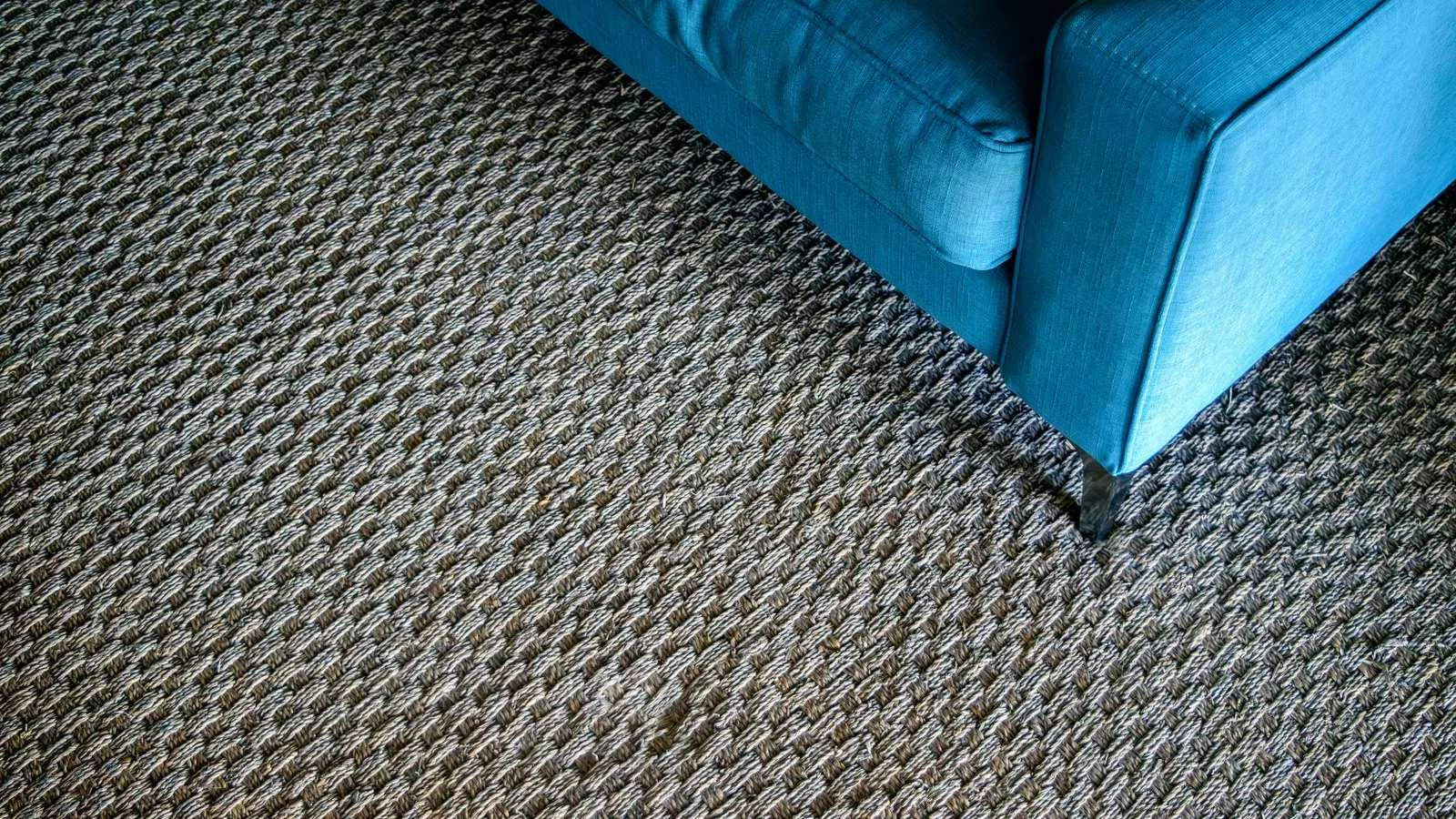
TL;DR: Furniture dents are the carpet pile lying flat, not damaged, in most cases. Shallow dents often lift on their own within a few days once the weight is off, but anything deeper needs help. Ice cubes left to melt into the dent, or a damp cloth with a hovering iron or steamer, both work by getting moisture and heat into the crushed fibres so they spring back up. Then groom the pile with a spoon or carpet brush while it's still damp. Carpet that has sat under heavy furniture for years usually needs the same treatment repeated over several passes and may only recover partly, and a professional clean's vacuuming and hot-water extraction often helps finish the job.
Rearranged the living room, or pulled the couch out to clean underneath it, and now you're staring at four deep dents where the legs used to sit? It's one of the most common carpet questions I get asked in Point Cook and around Melbourne's west, and the good news is that in most cases you can restore the pile yourself at home after moving furniture. Here's what's actually happening to the fibres, and what works.
If it's not furniture marks you're dealing with but a whole flattened track worn through a hallway, that's a different problem with a different fix, see how to revive flattened carpet pile.
Why does furniture leave dents in carpet?
Carpet pile is made of fibres standing upright, held that way by their own structure and a bit of built-in spring. Weeks or months of a heavy chair leg or bed frame pressing straight down on the same spot crushes those fibres flat, and eventually they stop springing back on their own.
It's not usually a sign the carpet is damaged. The fibre is still there, it's just been lying flat for so long it's forgotten which way is up. That's why the fixes below all work the same way: get moisture and a bit of heat into the fibre so it relaxes and stands back up, then groom it into shape while it's still pliable.
The exception is very old dents under genuinely heavy furniture, or lower-quality synthetic pile that's been compressed for years. In those cases, the fibre itself can be permanently crushed rather than just pushed over, and no amount of ice or steam brings it fully back.
Do carpet dents go away on their own?
Sometimes, but only the shallow ones. A light dent from a piece of furniture that sat in place for a few weeks will often relax and disappear by itself within a few days of the weight coming off, because the fibres were only bent over, not crushed. Vacuuming over the spot a couple of times helps it along.
Anything deeper than that usually won't. Once furniture has pressed on the same four points for months, the fibres stay folded flat and there's nothing left to pull them upright, so the dent sits there indefinitely until you put moisture and heat into it. That's the dividing line: if the dent hasn't visibly improved a week after you moved the furniture, it isn't going to fix itself, and the ice or steam methods below are what will.
The ice cube method
This is the one most people have heard of, and it works because melting ice releases water slowly, right into the base of the flattened fibres, without you having to hover over it.
- Place an ice cube directly on each dent. One per indent is usually enough for a standard carpet.
- Leave it to melt completely. Depending on the room temperature, this takes anywhere from 20 minutes to a few hours. Don't rush it by adding more ice on top; a slow melt lets the moisture soak in evenly rather than pooling on the surface.
- Blot any excess water with a clean cloth once the ice has melted.
- Fluff the pile with your fingers, a spoon (run the edge back and forth against the pile), or a carpet brush, working in the direction the pile naturally lies.
It's slow, but it's also the gentlest option and the one least likely to do anything wrong.
The damp cloth and iron method
For a dent that needs a bit more help, heat speeds things up.
- Lay a clean, damp (not soaking) cloth over the dent.
- Hold a hot iron just above the cloth, a few centimetres off the surface, and let the steam do the work. Don't rest the iron down on the carpet itself. Direct contact can scorch the fibres or, on synthetic pile especially, melt them.
- Move the iron in slow passes for 20 to 30 seconds, checking the cloth doesn't dry out completely.
- Fluff the pile with a spoon or brush while it's still warm and damp, then let it air dry fully before walking on it or putting furniture back.
A handheld garment steamer works the same way and is a bit less risky than an iron if you have one, since there's no hot metal plate to worry about.
What doesn't work for carpet dents?
- Just vacuuming. It's useful for general carpet health, but suction alone doesn't push moisture or heat into a crushed fibre, so it rarely lifts a proper dent on its own.
- Rubbing the spot vigorously. This can spread the flattened area or, on delicate fibres, cause fuzzing rather than lifting the pile.
- A hair dryer on its own with no moisture. Dry heat alone tends to just, well, dry the carpet out rather than relax the fibre. Pair heat with a damp cloth, not instead of one.
How do you prevent carpet dents from furniture?
A few cheap habits go a long way if you're setting furniture back down in the same spot for the long term:
- Furniture coasters or cups under the legs of beds, sofas and dining tables spread the weight over a wider area instead of concentrating it on four small points. Australian carpet maker Godfrey Hirst gives the same advice in its carpet care guide, recommending cups and coasters to relieve pressure marks.
- Move furniture slightly every few months if it's practical for the room. Even a few centimetres in any direction gives the pile underneath a chance to recover before it's permanently compressed. Shaw's carpet care guidance makes the same point, pairing periodic furniture moves with protectors under heavy legs.
- Use a rug or mat under particularly heavy pieces, like a piano or a large bookcase, so the load sits on the rug rather than directly on the carpet pile.
How do you raise carpet that's been under heavy furniture for years?
Use the same moisture-and-heat approach, but repeat it in several passes instead of expecting one go to do it, and accept that the recovery may be partial. Years of load compresses the fibre itself rather than just folding it over, so there's less spring left to work with.
What works best on long-standing dents:
- Choose steam over ice. A damp cloth with a hovering iron, or a garment steamer, puts far more heat into the fibre than a melting ice cube, and heat is what relaxes a fibre that's been set in position for years.
- Work the spot two or three times with a break in between rather than steaming it hard once. Let the pile dry a little and groom it upright between passes, so each cycle starts from a slightly better position than the last.
- Groom firmly with a stiff carpet brush, not just your fingers. On old compression the fibres need to be physically stood back up while they're warm and damp.
- Keep the weight off it afterwards. Putting the same sofa straight back on the spot undoes the work. If the furniture has to go back, put coasters or cups under the legs.
Be realistic about the outcome. On wool and better-quality pile you'll often get most of it back. On cheaper synthetic pile that's carried a bed or a bookcase for a decade, the fibre can be permanently crushed, and the honest answer is that it improves rather than disappears.
When should you call a professional instead?
If the dents have been there for years, or you've tried the home methods and the pile still looks flat and matted, that's usually a sign the fibre has been compressed for longer than a quick fix can reverse on its own. This is where a proper carpet clean helps, because the pre-vacuuming, agitation and hot-water extraction we use as standard get moisture and mechanical action into the pile in a way a spoon and an ice cube at home can't quite match, and we finish by grooming the pile back into shape.
Worth being upfront about: a professional clean isn't specifically a dent-removal service, and stubborn, years-old compression in cheap synthetic pile sometimes only partially improves rather than disappearing completely. I'll always tell you honestly on the day what to expect from your particular carpet rather than promising a result I can't guarantee.
One thing I'd flag while you've got the furniture out of the way: it's actually the ideal time to book a full clean, because a proper clean reaches the areas that are normally covered. We clean around whatever furniture is still in the room, so if you want the floor under a piece cleaned as well, that's the moment to move it yourself before we arrive.
Frequently asked questions
Will flattened carpet pile always bounce back?
Not always. Fresh dents from a bed or sofa usually recover well with ice or steam. Dents that have sat under heavy furniture for years, or on cheaper synthetic pile, can be permanent because the fibre itself has been crushed rather than just pushed over.
Does vacuuming fix carpet dents?
Vacuuming alone rarely lifts a real dent. It's good for general pile maintenance, but a dent needs moisture and heat to relax the fibre back into shape, not just suction.
Can I use a hot iron directly on the carpet?
No, don't rest an iron straight on the carpet. Hold it a few centimetres above a damp cloth over the dent so the steam reaches the fibres without scorching them or melting synthetic pile.
Will a professional carpet clean remove furniture dents?
A professional clean is for dirt first. Even so, the vacuuming, agitation and hot-water extraction we use as part of a normal clean often lifts pile that's been flattened for a while, especially combined with grooming afterwards.
If your carpet needs more than a few dents sorted out and it's due for a proper deep clean anyway, get a free quote and I'll give you a realistic idea of what to expect on the day.