Dirty Carpets Trigger Allergies in Your Children

Can Dirty Carpets Trigger Allergies in Your Children? (Cleaning Advice)

If your child often sneezes, coughs, or gets itchy eyes at home, your carpets may be one place worth looking at. Dirty carpets can hold dust, pollen, pet dander, dust mites, and other particles that may irritate allergy-prone children. For homes that need a deeper clean, steam carpet cleaning can help remove built-up dirt and allergens from deep within the carpet fibres.

Carpets do not create allergies on their own, but they can collect things that trigger or worsen symptoms in sensitive children. With regular vacuuming, good ventilation, and professional cleaning, families can keep carpets cleaner, fresher, and more comfortable.

Key Takeaways

  • Dirty carpets can trap dust, pollen, pet dander and dust mites that may worsen allergy symptoms in children.
  • Children are more exposed to carpet allergens because they spend more time sitting, crawling and playing on the floor.
  • Regular vacuuming helps reduce surface dust, but professional cleaning removes deeper dirt, odours and allergens.
  • Steam carpet cleaning can support a fresher home by lifting built-up particles from carpet fibres in bedrooms, playrooms and living areas.


Can Dirty Carpets Trigger Allergies in Children?

Dirty carpets can contribute to allergy symptoms in children by trapping allergens inside the carpet fibres. These allergens may include dust mites, pollen, pet dander, mould spores, bacteria, and everyday dirt brought in from outside.

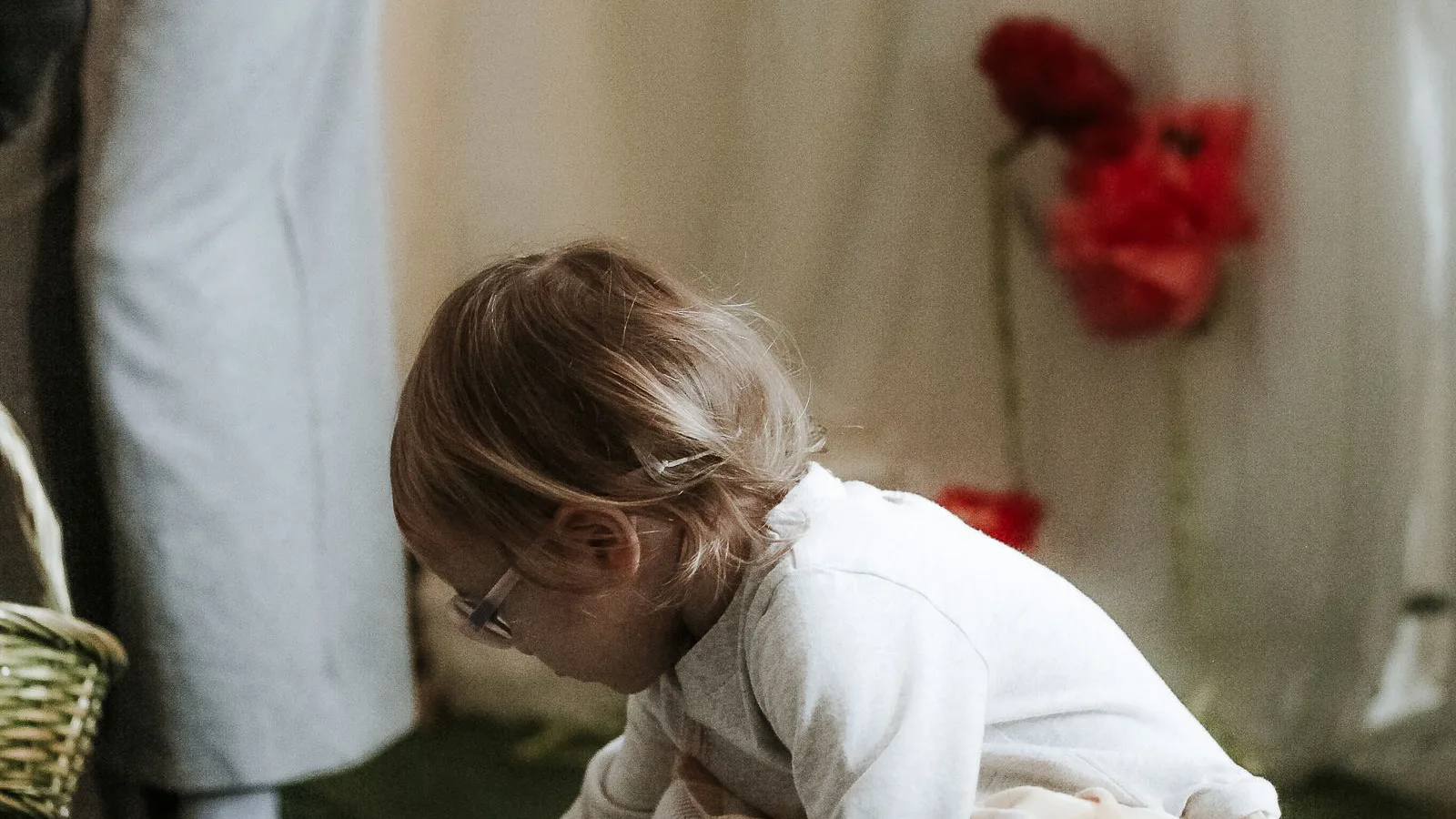
Children are often more exposed to these particles because they spend more time close to the floor. They sit on carpets, crawl across them, play with toys on them, and sometimes lie down while watching TV or reading. If the carpet has not been cleaned properly for a while, the fibres can hold a mix of dust and irritants that may become airborne when disturbed.

It is important to be clear: dirty carpets are not always the cause of a child’s allergies. Allergy symptoms can have many triggers, including outdoor pollen, pets, bedding, soft furnishings, mould, and general indoor dust. However, carpets can act like a holding area for allergens, especially in busy family homes.

For parents, the goal is not to panic. It is to reduce build-up where possible and create a cleaner home environment that supports better indoor freshness.

What Allergens Can Hide in Your Carpet?

Carpet fibres can trap more than visible dirt. Even when carpets look reasonably clean, there can still be fine dust, skin particles, pet hair, pollen, crumbs, and bacteria sitting deeper in the pile.

High-traffic areas are usually the worst spots. Hallways, living rooms, playrooms, bedrooms, and entry points collect dirt from shoes, socks, pets, school bags, prams, and daily movement. Over time, this build-up can make carpets smell stale and feel less fresh.

Common allergens and irritants that can sit in carpet include:

  • Dust, dust mites, and fine indoor particles
  • Pet hair, pet dander, and outdoor pollen
  • Dirt, food crumbs, bacteria, and dried spills
  • Mould spores or musty smells from damp carpet
  • Odours from pets, shoes, moisture, or old stains

Damp carpet can be a particular concern. Moisture from spills, leaks, over-wetting, or poor ventilation may create musty odours and make the room feel less hygienic. If a carpet smells damp, it should not be ignored.

Why Children Are More Exposed to Carpet Allergens

Adults usually walk across carpets. Children often live on them.

Young children play on the floor, roll around, build with toys, read books, watch screens, and sometimes nap close to carpeted surfaces. Toddlers may touch the carpet and then touch their face, toys, food, or mouth. This closer contact means they may be more exposed to dust and particles sitting in the fibres.

Carpet allergens can also become airborne when children run, jump, or play. Movement disturbs the carpet pile, and fine particles may circulate through the room before settling again. This is one reason some parents notice sneezing or coughing after children play in carpeted bedrooms or living areas.

Playrooms and bedrooms need extra attention because children spend long periods in these spaces. If the carpet is dusty, stained, or overdue for a professional clean, those rooms may feel less fresh even when the rest of the house looks tidy.

Homes with pets may need even more regular maintenance. Pet dander can settle deep into the carpet and may not always be removed by quick vacuuming alone.

Common Signs Your Carpet May Be Affecting Allergies

Carpet is not always the cause of allergy symptoms, but it may be contributing to the problem if symptoms seem worse indoors or around carpeted rooms.

Parents may notice signs such as:

  • Sneezing, coughing, or a blocked nose that feels worse at home
  • Itchy, watery, or red eyes after playing on the carpet
  • Musty smells in bedrooms, playrooms, or living areas
  • More dust around skirting boards, corners, and high-traffic areas
  • Symptoms that seem worse after lying, crawling, or sitting on the carpet

Ongoing or severe allergy symptoms should always be discussed with a health professional. Carpet cleaning is not a medical treatment, but it can be part of a practical home hygiene routine.

If carpets smell stale, show visible dust, or have not been professionally cleaned for a long time, it may be worth booking a cleaning before symptoms become harder to manage. You can also read more about how to stop carpet allergens from moving around the home.

Does Vacuuming Remove Carpet Allergens?

Vacuuming is one of the best habits for keeping carpets cleaner between professional cleans. It helps remove loose dust, crumbs, pet hair, and surface allergens before they settle deeper into the fibres.

For homes with children or pets, regular vacuuming is especially important in living rooms, bedrooms, hallways, and play areas. A vacuum with a HEPA filter may be helpful for allergy-prone homes because it can capture finer particles more effectively than some standard vacuums.

However, vacuuming has limits. It does not always remove embedded dirt, deeper dust, pet dander, odours, or old spills that have settled into the carpet pile. If the carpet still smells stale after vacuuming, looks dull, or feels dusty underfoot, it may need a professional clean.

Vacuuming should be seen as maintenance. Professional carpet cleaning provides a deeper clean that household vacuums cannot usually achieve.

How Professional Carpet Cleaning Can Help

Professional carpet cleaning targets the dirt and allergens that sit deeper in the carpet fibres. Using proper equipment, cleaning solutions, and extraction methods, a professional cleaner can remove built-up dust, grime, pet dander, odours, and stains more thoroughly than everyday cleaning.

For family homes, this can make carpets feel fresher, smell cleaner, and look brighter. It can also help reduce the build-up of allergens that may irritate sensitive children.

Green Lion Carpet Clean focuses on safe, practical cleaning for homes with children and pets. Their use of eco-friendly, family-safe, and pet-safe products is important for parents who want a cleaner carpet without harsh chemical concerns.

A professional clean can be especially useful if your carpets have:

  • Heavy foot traffic from children, pets, and visitors
  • Pet odours, food spills, or drink stains
  • Musty smells or visible dust around edges
  • Bedrooms or playrooms used daily by young children
  • Not been professionally cleaned in more than 12 months

For families wanting a hygiene-focused clean, it can also help to understand the steps involved in a safe carpet sanitising process.

Is Steam Carpet Cleaning Better for Allergy-Prone Homes?

Steam carpet cleaning, also known as hot water extraction, is often a strong option for allergy-prone homes because it provides a deeper clean. It uses hot water, cleaning solution, and powerful extraction equipment to loosen and remove dirt, dust, allergens, and residue from carpet fibres.

This method can be especially helpful for carpets affected by pet dander, dust mites, musty smells, stains, or heavy use. Because it reaches deeper into the carpet pile, it can remove more built-up soil than surface-level cleaning alone.

For families with children, the quality of the cleaning matters. A professional steam clean should leave carpets damp, not soaking wet. Proper extraction, airflow, and ventilation are important because carpets need to dry properly after cleaning.

Steam cleaning is usually a good choice when carpets are visibly dirty, smell stale, or have not been cleaned in a while. For lighter maintenance or faster drying needs, dry carpet cleaning may sometimes be considered, but steam cleaning is generally the stronger option when the goal is deeper allergen and dirt removal.

How Often Should You Clean Carpets If Your Child Has Allergies?

Cleaning frequency depends on how your home is used. A quiet home with no pets may not need cleaning as often as a busy family home with children, pets, and carpeted play areas.

As a general guide, many homes benefit from professional carpet cleaning about once every 12 months. Homes with children, pets, allergy concerns, or heavy foot traffic may benefit from more frequent cleaning, such as every 6 to 12 months.

Bedrooms and playrooms may need closer attention because children spend more time in those spaces. Entry areas, hallways, and living rooms may also need regular cleaning because they collect the most dirt.

If your child has ongoing allergy symptoms, speak with a medical professional for proper advice. From a cleaning perspective, keeping carpets maintained can help reduce allergen build-up and support a fresher home environment.

Extra Carpet Care Tips for Families with Children

Keeping carpets cleaner does not always require complicated routines. Small habits can make a big difference over time.

Vacuum high-use rooms regularly, especially bedrooms, living rooms, and playrooms. Remove shoes indoors where possible to reduce outdoor dirt and pollen. Clean spills quickly before they settle into the carpet fibres. Wash pet bedding, blankets, and soft toys often, as these can hold dander and dust. Improve ventilation after spills, wet weather, or professional cleaning so carpets can dry properly.

It also helps to avoid waiting until carpets look very dirty. By the time dirt is visible, there may already be a deeper build-up in the fibres. Booking professional cleaning before carpets smell stale or feel dusty can help keep the home fresher for longer.

Create a Cleaner, Fresher Home for Your Family

Dirty carpets can hold dust, pollen, pet dander, dust mites, and other allergens that may irritate sensitive children. While carpets are only one part of indoor allergy management, regular vacuuming, good airflow, and professional cleaning can help reduce build-up and improve home freshness.

For deeper cleaning, steam carpet cleaning is often a practical choice for family homes because it helps remove embedded dirt, odours, stains, and allergens from carpet fibres. It can be especially helpful in bedrooms, playrooms, living areas, and high-traffic zones where children spend time every day.

Green Lion Carpet Clean provides family-safe, pet-safe, and eco-friendly carpet cleaning for homes in Point Cook and Melbourne’s western suburbs. If your carpets are dusty, musty, stained, or overdue for a clean, contact the team for advice, a quote, or a booking.

Leave a Reply

Your email address will not be published. Required fields are marked *

×
Scroll to top