
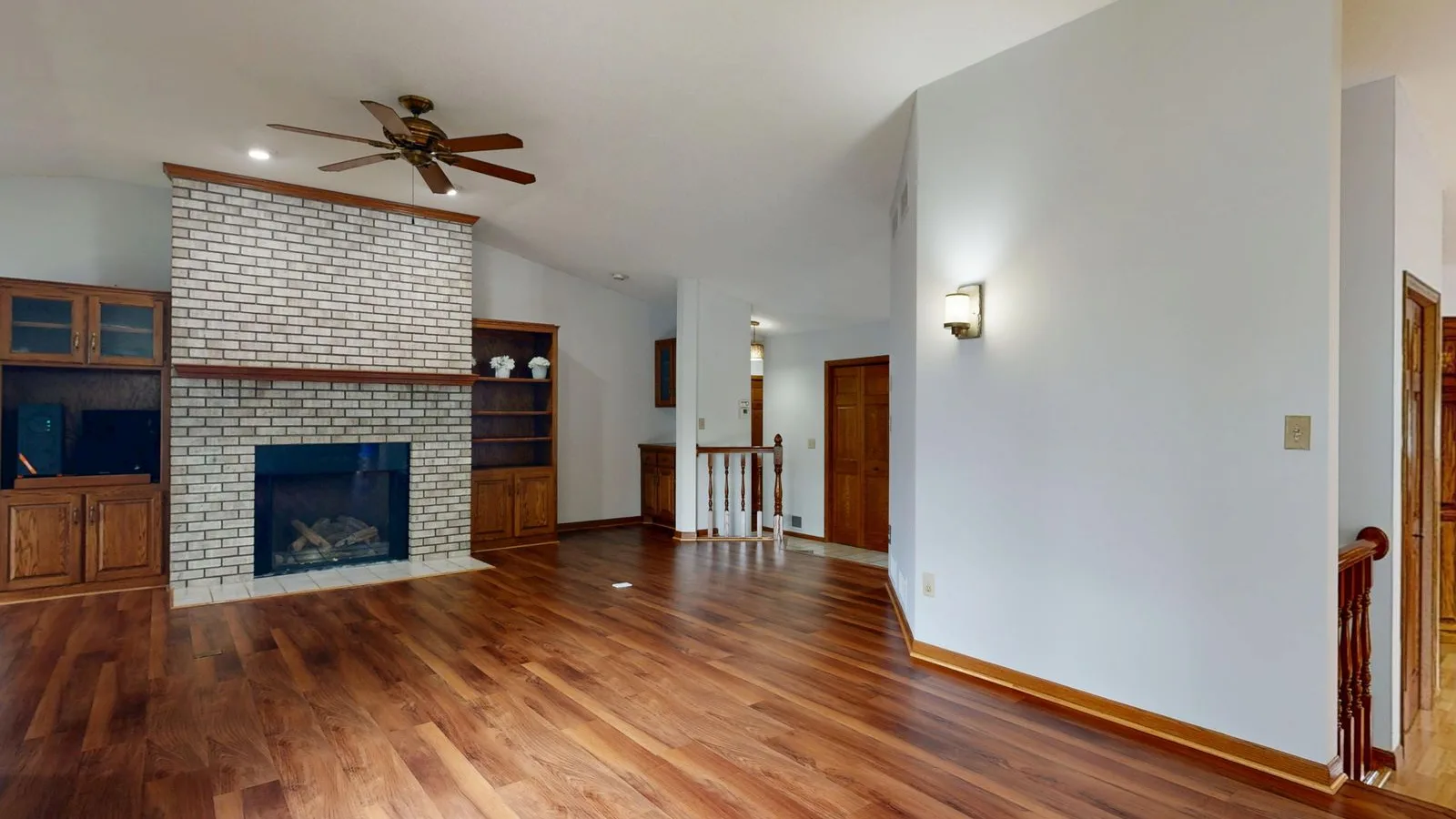
TL;DR: Ingrained dirt is dirt that has worked below the surface, into the grain, into the seams between boards, and into worn patches in the finish, which is why a floor can look grey the moment it dries. More water does not fix it; it spreads it. Take the grit off dry first, then make repeated barely damp passes with a cleaner made for sealed timber, changing your water the moment it clouds, and dry behind yourself. Skip vinegar, oil soaps and steam mops. If the greyness survives all that, the finish itself has worn through and the floor needs sanding, not cleaning.
A beautiful timber floor is one of the best features a home can have, warm, timeless and hard-wearing. But hardwood is also one of the easiest floors to accidentally damage, because the very thing that cleans it (water) is also its worst enemy. It's the question I get most often on hard floor jobs here in Point Cook and across Melbourne's west. why won't this floor come clean?, and nine times out of ten the answer is that the dirt is no longer on the floor, it's in it. I do these cleans myself, so here's how to deep clean hardwood the right way, without dulling, streaking or warping it.
How do you remove ingrained dirt from hardwood floors?
Dry first, then damp, never wet. Ingrained dirt has already worked past the top of the finish, so a wet mop just floats it around the room and pushes it further into the seams. What actually lifts it is repetition at low moisture:
- Step 1: Take the grit off dry. Vacuum thoroughly with a soft-brush head, and run a crevice tool along the gaps between boards where the worst of it packs down. Anything you leave behind now becomes sandpaper under the mop.
- Step 2: Work in small sections, barely damp. A well-wrung microfibre mop with a cleaner made for sealed timber, moving along the grain. If the mop drips, it's too wet.
- Step 3: Change the water as soon as it clouds. This is the step nearly everyone skips. Dirty water re-deposits exactly what you just lifted, and that thin grey film drying back onto the boards is what people mistake for a floor that "won't come clean".
- Step 4: Work the seams with a brush, not more water. A soft brush along the seam lifts packed dirt that a flat mop head simply passes over.
- Step 5: Dry behind yourself, and repeat rather than push. Two or three light passes lift far more than one heavy one, and they don't leave standing water sitting in the joins.
What won't work: vinegar and bicarb (they dull and etch a timber finish), scouring pads, oil soaps, and steam mops, which drive moisture straight into the boards. And there's an honest limit to all of this, if the grey stays after a proper dry-and-damp pass, you're most likely looking at a finish that has worn through and timber that has stained underneath. No amount of cleaning brings that back; it needs sanding and refinishing by a flooring specialist.
Why do hardwood floors need special care?
Timber is porous and reacts to moisture. Use too much water, or the wrong product, and you risk:
- Warping and cupping as boards absorb water and swell
- A dull, cloudy haze from residue left by unsuitable cleaners
- Streaking that no amount of mopping seems to fix
- Damage to the finish or seal that protects the timber
The mistake most people make is treating a timber floor like a tiled one, flooding it with water and mopping. That's exactly what causes the problems above.
How do you deep clean hardwood floors safely?
Start by removing grit
Before any wet cleaning, sweep or vacuum thoroughly. Fine grit and sand act like sandpaper underfoot, scratching the finish over time. Use a soft-brush vacuum head rather than a hard beater bar.
Use controlled moisture, not floods
The golden rule of timber is damp, not wet. A well-wrung microfibre mop or cloth lifts dirt without soaking the boards. If your mop is dripping, it's too wet.
Choose the right cleaner
Harsh, generic or acidic cleaners can strip or dull a timber finish. Use a product designed for sealed timber floors, and always follow the grain when you clean. Avoid oil soaps and wax build-up products unless your floor specifically calls for them.
Dry as you go
Don't let moisture sit. Working in sections and drying behind yourself prevents water from soaking into the seams between boards, which is where warping starts.
When is professional hard floor cleaning worth it?
It's worth it at the point where mopping has stopped making any difference. Regular maintenance you can absolutely do yourself. But over the years, timber floors build up a layer of grime, foot traffic residue and old product that regular mopping simply pushes around rather than removing. That's when the floor starts to look permanently dull, no matter how often you clean it.
This is where professional hard floor cleaning makes a real difference. We match the method and moisture to your specific floor type, timber, laminate or vinyl, lifting that built-up residue safely and finishing streak-free. The natural look comes back without any risk of over-wetting the boards.
How do you stop dirt becoming ingrained again?
Stop the grit before it reaches the floor, and keep the finish intact. Dirt can only ingrain where there is grit to grind it in and a worn finish to hold it. Once your timber is clean, keep it that way:
- Use felt pads under furniture legs to prevent scratches.
- Place mats at entry points to catch grit and moisture before it reaches the timber.
- Wipe spills immediately: standing water is the enemy.
- Avoid steam mops on timber, which force moisture into the boards. (Steam is brilliant for carpet, but it's not the right tool for sealed hardwood.)
- Re-coat when needed: timber floors periodically benefit from a fresh coat of finish, depending on wear.
What about scratches and wear?
Light surface scratches and dullness can often be improved with proper cleaning and the right finish. Deeper gouges or worn-through areas may need sanding and refinishing, which is a job for a flooring specialist rather than a clean. We'll always give you an honest assessment of what cleaning can and can't achieve before we start.
Get your timber floors glowing
Done right, deep cleaning brings a tired timber floor back to life, warm, rich and streak-free. Done wrong, it can cause damage that's expensive to fix. The difference is all in the moisture control and the right method for your floor.
We're a family-owned team in Point Cook, and we treat every floor like our own. If your timber, laminate or vinyl floors need a proper refresh, call (03) 4328 5637 or get a free quote today.
Frequently Asked Questions
What is ingrained dirt?
Ingrained dirt is dirt that has worked its way past the surface, down into the grain of the timber, into the seams between boards, and into any spot where the finish has worn thin. It is what makes a floor look permanently grey or dull even straight after mopping, because a mop only ever reaches the top of the finish.
How do you remove ingrained dirt from hardwood floors?
Take the grit off dry first, then use repeated barely-damp passes rather than one wet one. Vacuum thoroughly with a soft-brush head and run a crevice tool along the seams; clean in small sections with a well-wrung microfibre mop and a cleaner made for sealed timber; work the seams with a soft brush instead of more water; change your water as soon as it goes cloudy, because dirty water re-deposits what you just lifted; and dry behind yourself as you go. Two or three light passes beat one heavy one, and neither will help if the finish itself has worn through. That is a sanding job, not a cleaning one.
What is the best floor cleaner for ingrained dirt?
A pH-neutral cleaner made for sealed timber floors, diluted as the label says and applied along the grain. Avoid vinegar, ammonia, oil soaps, wax build-up products and generic all-purpose cleaners. They dull or strip a timber finish, and a stripped finish lets dirt ingrain faster than before. Steam mops are the other one to skip: they force moisture into the boards.
How do you deep clean hardwood floors safely?
Remove grit first by sweeping or vacuuming with a soft-brush head, because fine grit acts like sandpaper underfoot. Then use controlled moisture rather than floods: a well-wrung microfibre mop lifts dirt without soaking the boards. Dry as you go so water cannot soak into the seams.
What cleaner should I use on timber floors?
A product designed for sealed timber floors, applied along the grain. Harsh, generic or acidic cleaners can strip or dull a timber finish, and oil soaps and wax build-up products are best avoided unless your floor specifically calls for them.
How wet should the mop be?
Damp, not wet. If your mop is dripping, it is too wet. Over-wetting timber is the classic cause of warped, cupped boards.
When is professional hard floor cleaning worth it?
When years of grime, foot traffic residue and old product have built up to the point that regular mopping pushes it around rather than removing it, and the floor looks permanently dull no matter how often you clean it.